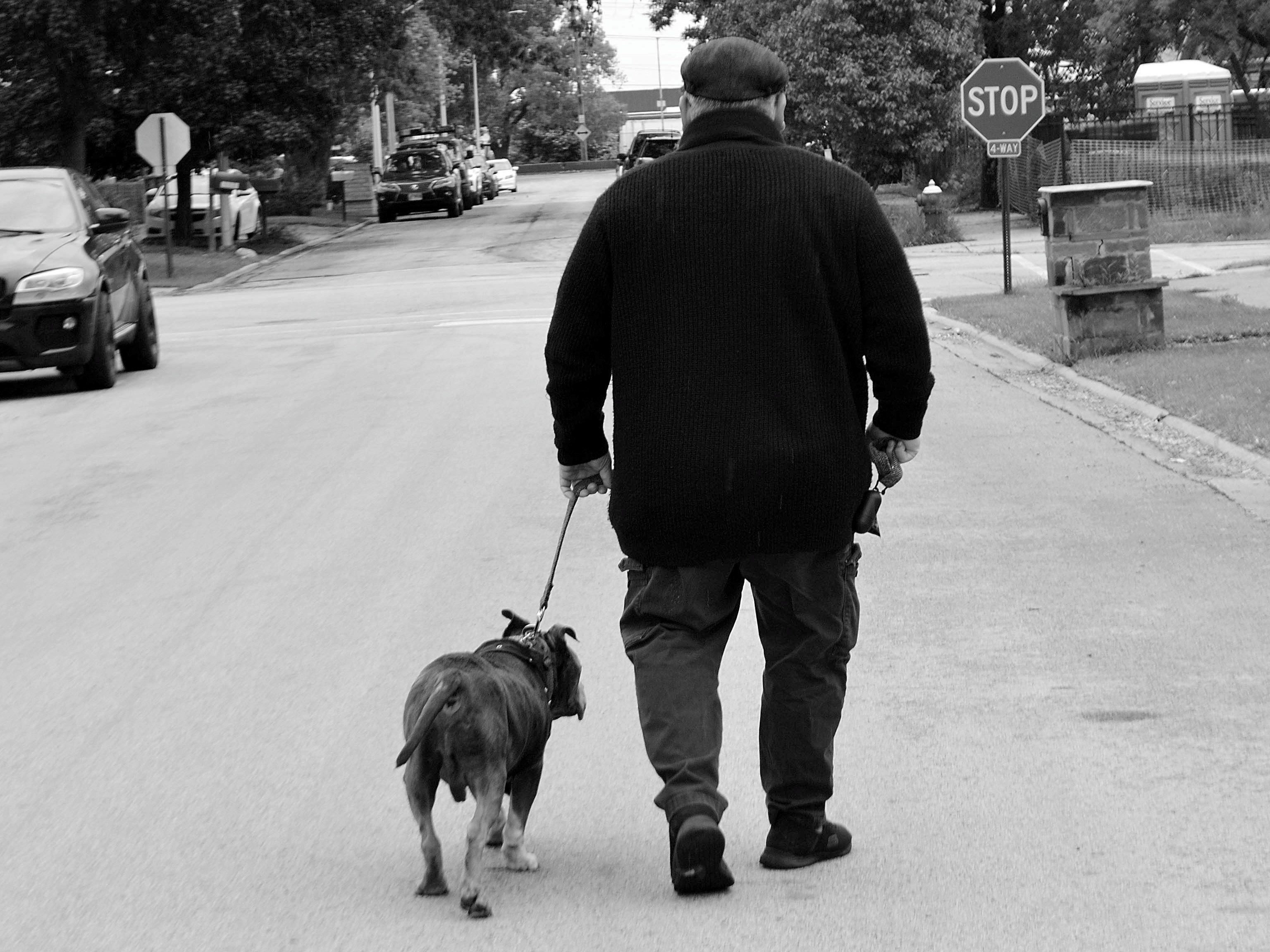
 Trips to the vet, groomer, or boarding kennel can often be stress-inducing for dogs. Credit: MDV Edwards | Getty Images
Most dogs will experience stress or anxiety at some point, just like us. Stress occurs on a spectrum from mild through to moderate and extreme. It can impact both health and behavior—especially if the stress becomes chronic—and it can have a negative effect on a dog’s quality of life. Knowing the signs that indicate a dog is stressed, identifying stress triggers, and understanding how to help relieve the stress can go a long way toward reducing its impact on your dog. Recognizing the problem early, addressing the underlying causes, and working with your veterinarian or a qualified trainer when needed are the most effective steps you can take to support your dog’s well-being.