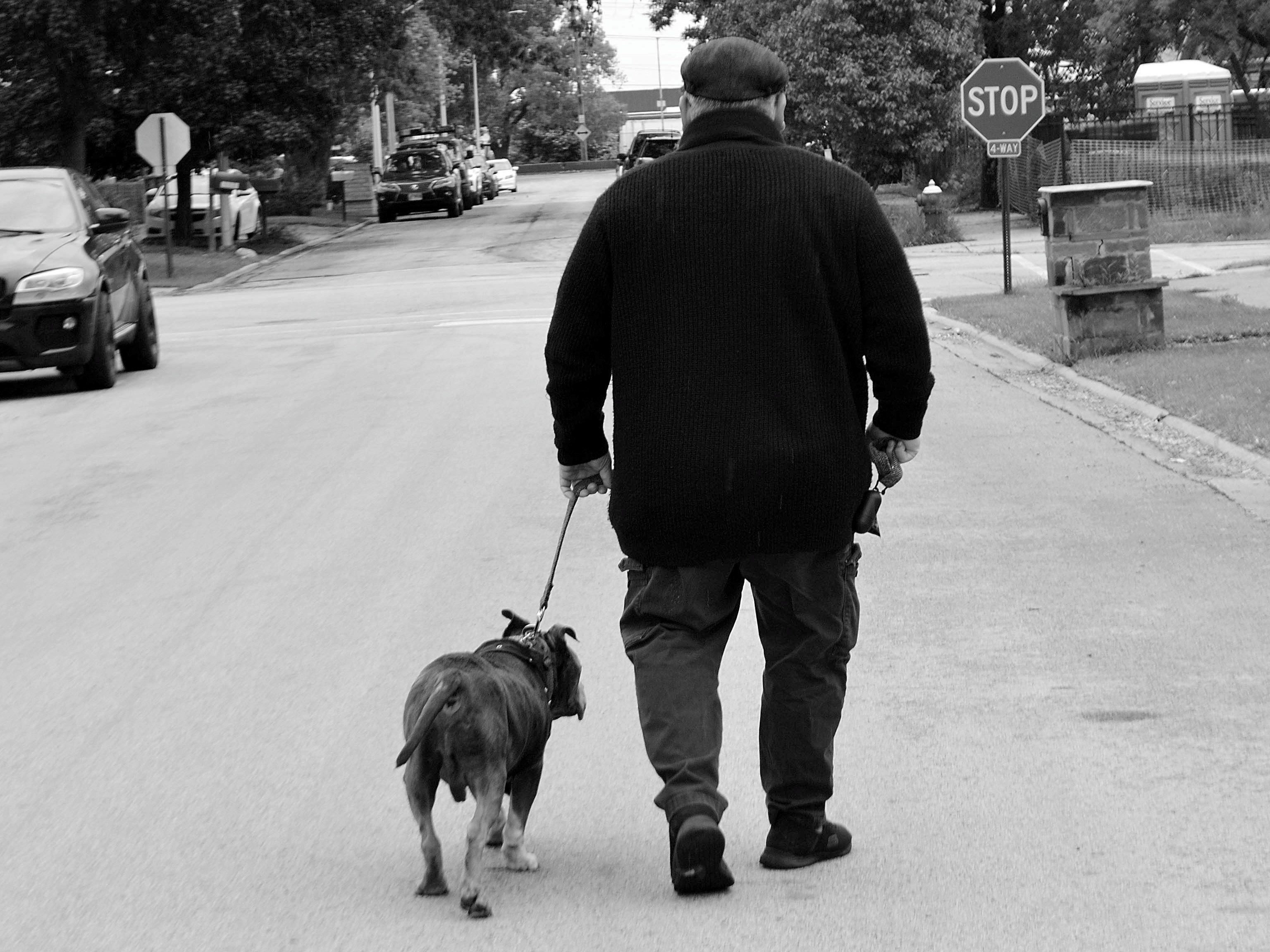
 There can come a time with a dog who suffers from multiple seizures to seriously consider euthanasia. Credit: Zontica | Getty Images
Many dogs have their epileptic seizures under good control and lead reasonably normal lives. Until they don’t. Some dogs never really get their seizures under control. And if a senior dog starts with seizures (other than a toxin exposure), they are often the result of a terminal metabolic illness such as severe liver disease or of cancer in the brain, primary or metastatic.
Dogs who start seizing at a young age, especially if they start right off with frequent seizures, tend to have a poor prognosis. Dogs who have bouts of cluster seizures (multiple seizures within 24 hours) or status epilepticus (seizures that last more than 5 minutes) have a grave prognosis.
According to a University of Missouri study, 40% to 60% of dogs with epilepsy who have one or more episodes of cluster seizures or status epilepsy will have a mean lifespan of only 8 years. This is compared to 11 years for those with epilepsy without these episodes. Death may be via euthanasia or directly from the seizure episode.
Severity of seizures may vary within breeds as well. A study out of Denmark showed Boxers to have a very grave prognosis. Anecdotally, Border Collies can be difficult to get into remission from seizure disorders.
How to Decide the Seizures Have Won in Your Dog
How do you decide when the seizures have won? There are many protocols for looking at Quality of Life (QOL).
The first step is for you to start a journal if you don’t already have one. This helps you with some objectivity. You write down important status indicators daily, such as did your dog eat, did he have normal elimination, was he willing and able to go for a walk? These are black-and-white observations. Others are more subtle:
- Did your dog respond to his favorite toy?
- Did your dog engage with you for petting and/or playing?
- If your dog had a seizure, how long was it?
- Did you notice signs that preceded the seizure?
- How long did it take for your dog to recover, and how long to “being normal”?
If your dog had a seizure, especially status epilepticus or a day of cluster seizures, did he return to fully normal? Some dogs will have residual blindness or remain somewhat disoriented. In my experience, dogs with a seizure from something like cancer in the brain often do not return to “normal,” as opposed to dogs with genetic or idiopathic epilepsy.
The HHHHHMM Scale for Dogs
One QOL protocol is the HHHHHMM scale.
Dogs are scored from 0 to 10 for each category, with 10 being the best and 0 being the worst. The categories are:
- Hurt
- Hunger
- Hydration
- Hygiene
- Happiness
- Mobility
- More good days
This scale was devised by Dr. Alice Villalobos. Ideally your dog should score over 35.
The categories are somewhat self-explanatory and some may overlap. For example, if your dog is not mobile and can’t get up to go outside to eliminate, then hygiene will suffer as he lays in a puddle of urine or soils himself with stool.
Happiness and More Good Days will be very subjective evaluations for the most part. If your dog is having seizures despite being on medication 4 days out of the week, he is definitely not having more good days than bad ones.
Scoring will also vary based on what you are capable of and willing to do for your dog. Some owners handle doggy diapers with aplomb and can keep their dogs clean. That is easier if you have a Chihuahua versus a Mastiff. Likewise, a low score in one area may be enough to tip your decision toward euthanasia. If your dog won’t eat or has multiple seizures frequently, quality of life has to suffer.
Being Objective with Euthanasia
The daily journal and chart to rank your dog’s status can really help you with objectivity. You need to keep in mind that your dog is totally dependent on you. Despite the pain it will cause you, if your dog is suffering, his needs need to come first. A decision for euthanasia, made out of love for your dog, will be one of the most unselfish and courageous decisions you ever make. People who have been through this decision making have their own sayings, such as “Better a day early than a day late,” to help their dog avoid pain and discomfort.
The decision may be taken out of your hands if your dog goes into status epilepticus and can’t be brought out of his seizures. He may die directly from the seizures, or you may need to proceed to relieve him of his suffering.
In-Home Euthanasia for Dogs
Many areas now offer the option of in-home euthanasia if that is what you need. If your own veterinary clinic does not offer that, you can ask them about local veterinarians who could do it. No matter where it happens, your dog will be given a sedative to help ease his mind. If possible, a catheter will be placed to allow for smooth injection of the euthanasia drug.
You are allowed to stay and hold your dog or pet his head and talk to him. While your own heart is breaking, try to stay calm for your dog. Tell him you love him, you will miss him, and for him to wait for you at the Rainbow Bridge. It is hard to describe, but there is almost always a brief feeling of profound peace when your dog’s spirit leaves.
If euthanasia is done at home, you may want your other pets to view the body. It is advisable not to have them present during the actual procedure, however.
Ideally, you have planned for either burial or cremation. Most families now choose cremation and take the ashes home. Many clinics will offer you a lock of hair and/or a footprint in clay to help remember your pet by.
Before euthanasia is performed — unless the situation is an emergency — consider looking into epilepsy studies for dogs. Donating a cheek swab or a blood sample can help provide the knowledge needed to identify which genes cause epilepsy. If a genetic marker could be identified, breeders could avoid producing dogs that would suffer from this devastating condition. One example is the ongoing study at Cornell University on the Belgian breeds.