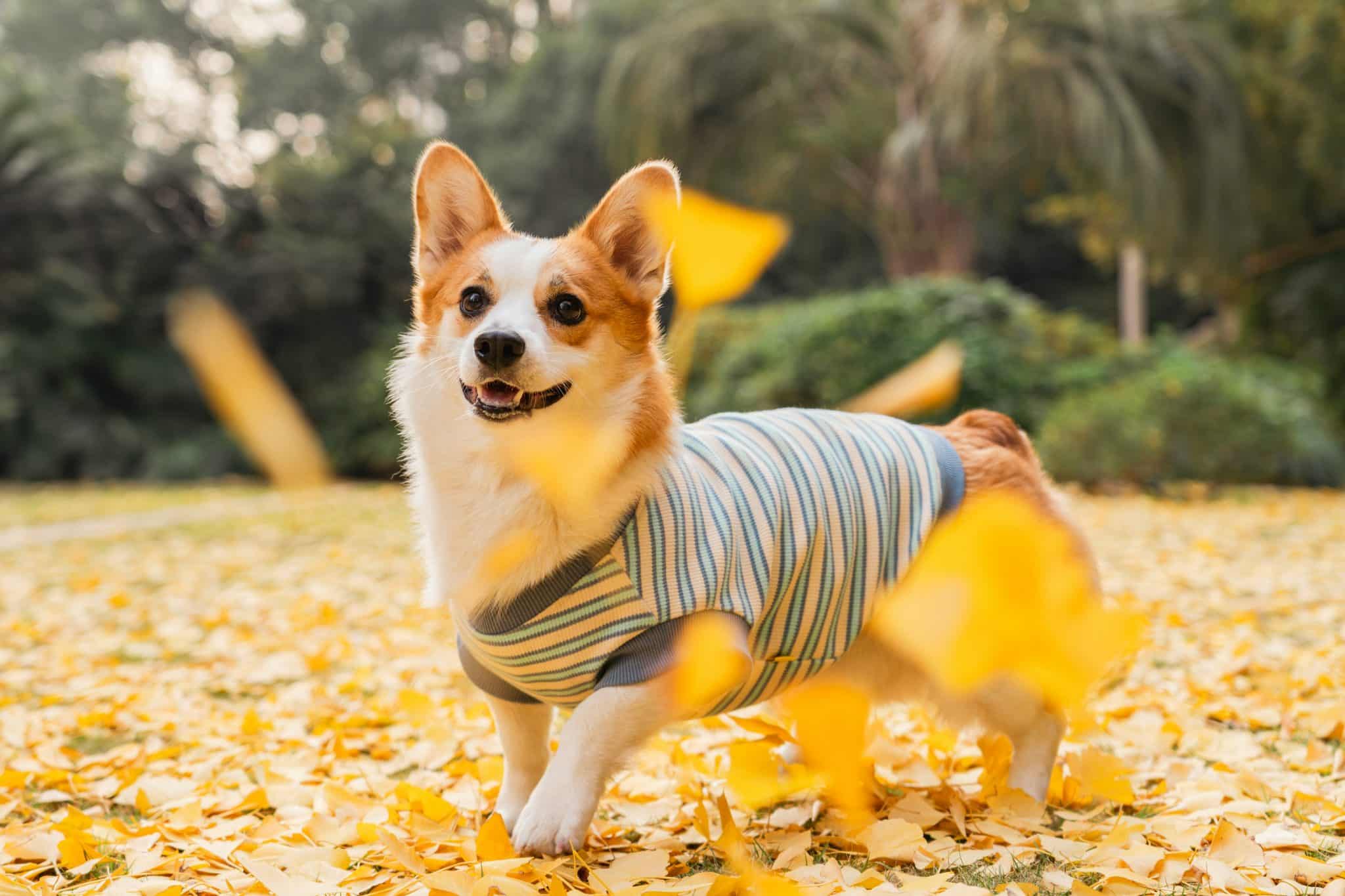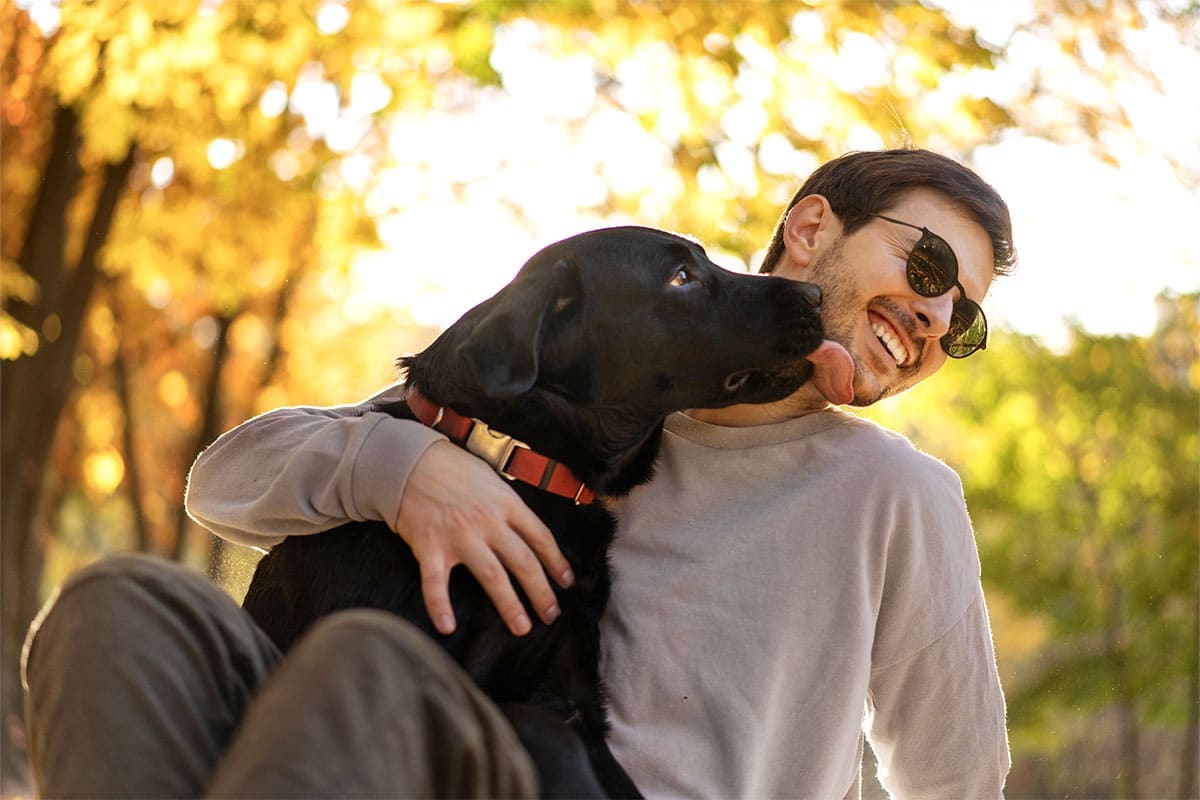

Some dogs treat personal space less like a boundary and more like an unnecessary suggestion. These affectionate companions happily lean, cuddle, climb close, and follow their favorite humans around the house because being nearby feels better than being alone. Many were developed for companionship or close teamwork, helping explain their strong desire for connection and physical affection. For families who enjoy constant canine company, these snuggly breeds can transform quiet evenings, relaxing afternoons, and ordinary everyday moments into wonderful opportunities for warmth, comfort, laughter, and serious bonding.
Cavalier King Charles Spaniel

Cavalier King Charles Spaniels seem convinced that the ideal distance between themselves and their favorite humans is approximately zero inches, making them natural companions for anyone who appreciates constant affection. Bred primarily as companion dogs, these gentle pups commonly seek laps, soft places beside family members, and opportunities to remain involved in whatever their household happens to be doing. Their sweet temperaments and adaptable personalities allow them to enjoy playful activities while remaining equally enthusiastic about long periods of cuddling and relaxation. Give a Cavalier affection, companionship, suitable exercise, and attentive care, and this devoted little shadow may happily spend years demonstrating why personal space was never particularly important anyway.
Golden Retriever
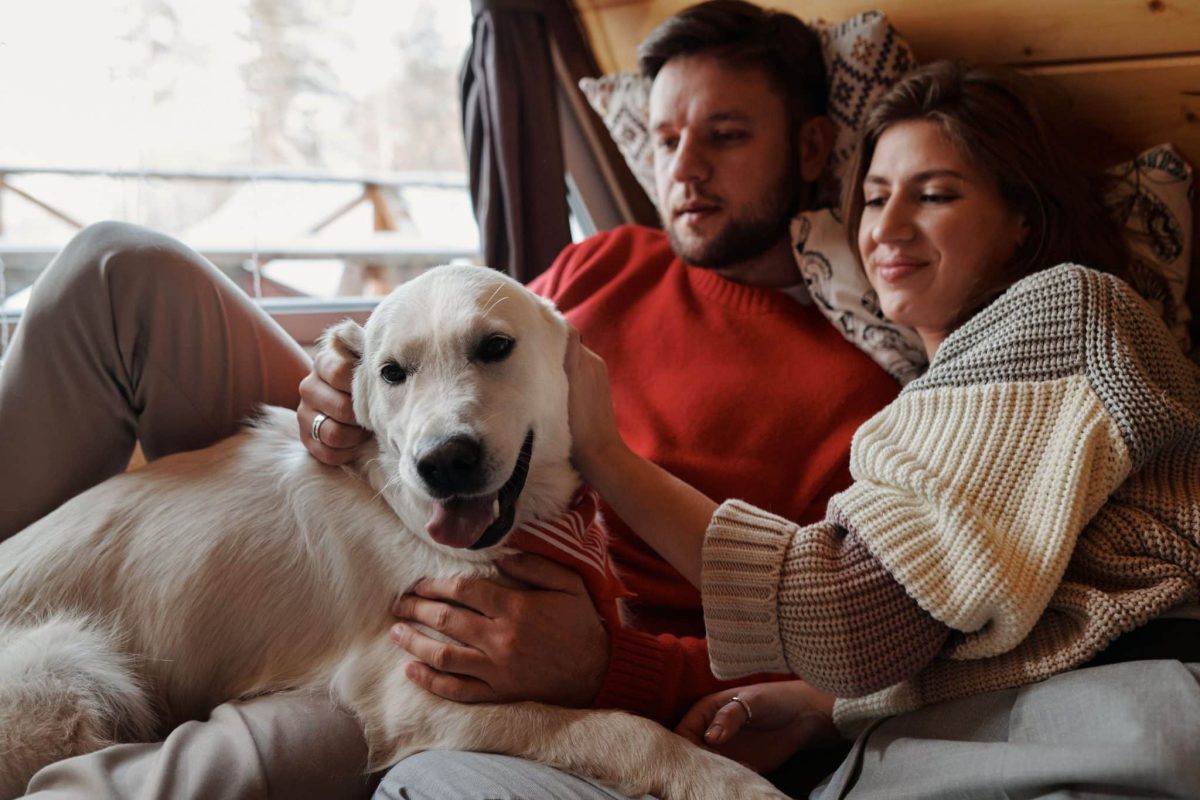
Golden Retrievers may have enough energy for adventures, games, and outdoor activities, but many become remarkably affectionate cuddle enthusiasts once the excitement settles down. Their people-oriented personalities developed through generations of cooperative work, and that desire to stay connected frequently appears through leaning, resting nearby, following family members, and requesting generous amounts of physical affection. Their larger size does not always influence their understanding of lap capacity either, so an especially cuddly Golden may attempt arrangements that seem mathematically questionable but emotionally necessary. Regular exercise, training, enrichment, grooming, and companionship help these social dogs thrive while providing plenty of opportunities for the warm closeness that makes them such beloved family companions.
Labrador Retriever

Labrador Retrievers often approach affection with the same wholehearted enthusiasm they bring to food, games, swimming, and nearly everything else that makes life exciting. These famously social dogs generally enjoy being included in family activities, and many express their attachment by leaning against people, settling beside them, following them between rooms, or enthusiastically requesting attention whenever an available hand appears. Their sturdy bodies can make their attempts at close cuddling especially noticeable, particularly when a full-grown Lab confidently decides that there is still plenty of room beside someone. Appropriate exercise and mental stimulation remain essential, but after their daily activity, many Labs are delighted to transform into affectionate companions who believe closeness makes every relaxing moment significantly better.
Boxer
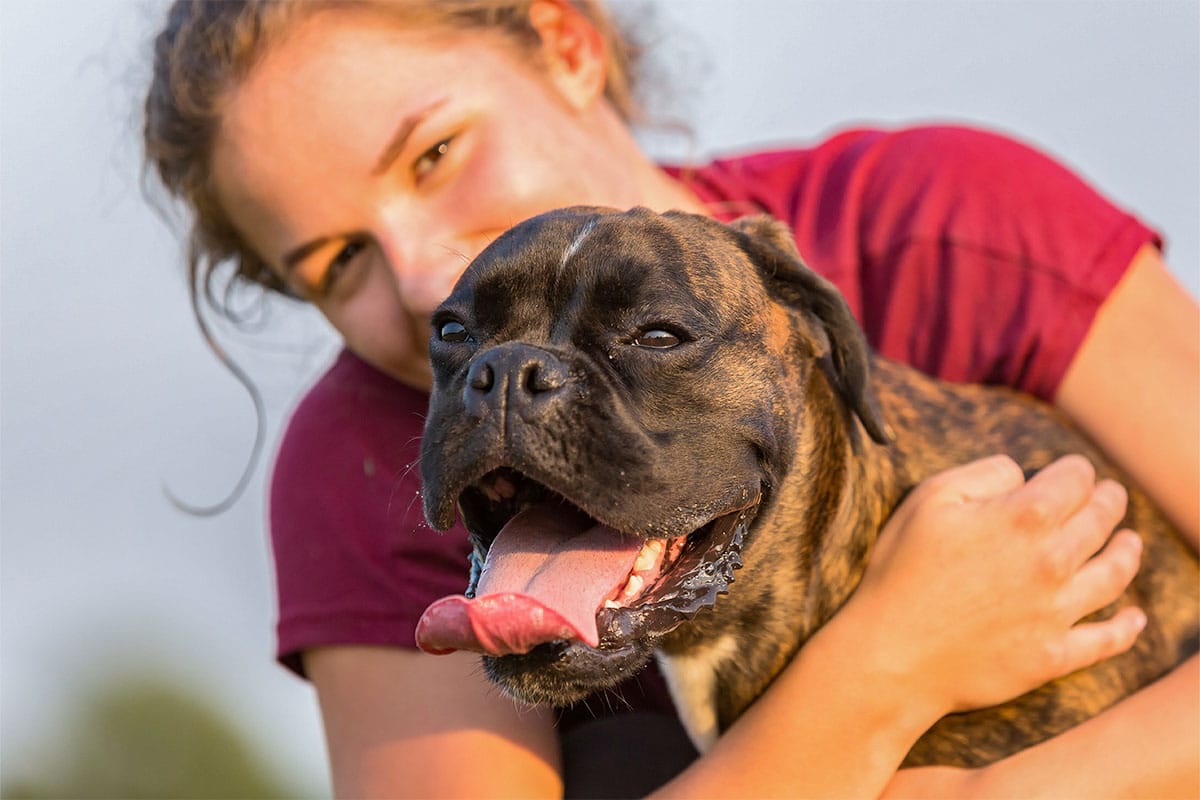
Boxers combine athletic energy with remarkable affection, creating companions that can race around enthusiastically before suddenly deciding that becoming physically attached to their humans is the next important activity. Their strong family bonds often encourage them to stay nearby, and many Boxers lean against people so enthusiastically that their affectionate behavior can feel almost like a full-body hug. Beneath their muscular appearance is often a sensitive, playful personality that values attention, companionship, and reassurance from trusted family members. Consistent positive training, sufficient exercise, socialization, and enrichment help channel their exuberance, but even a well-exercised Boxer may still consider your side of the couch a perfectly reasonable location for their entire body.
Great Dane
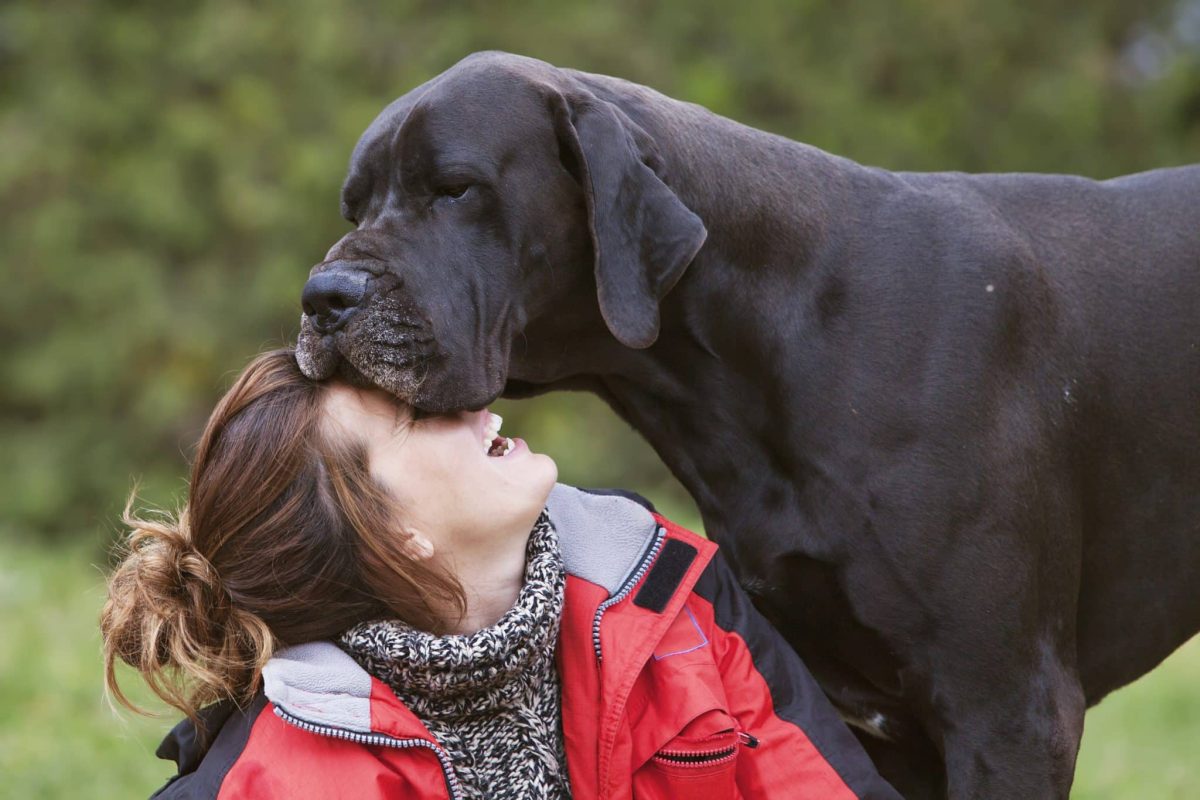
Great Danes provide convincing evidence that enormous dogs do not necessarily possess an equally enormous understanding of personal space, especially when affection becomes involved. These gentle giants commonly develop close bonds with their families and may express that attachment through leaning, sitting remarkably close, resting against someone, or attempting to occupy spaces clearly designed for considerably smaller animals. Despite their imposing stature, many have calm, sensitive personalities and enjoy quiet companionship as much as moderate daily activity. Proper training is especially important because of their size, but families prepared for their physical and emotional needs may discover that living with a Great Dane means having a gigantic sweetheart permanently stationed within touching distance.
Pug
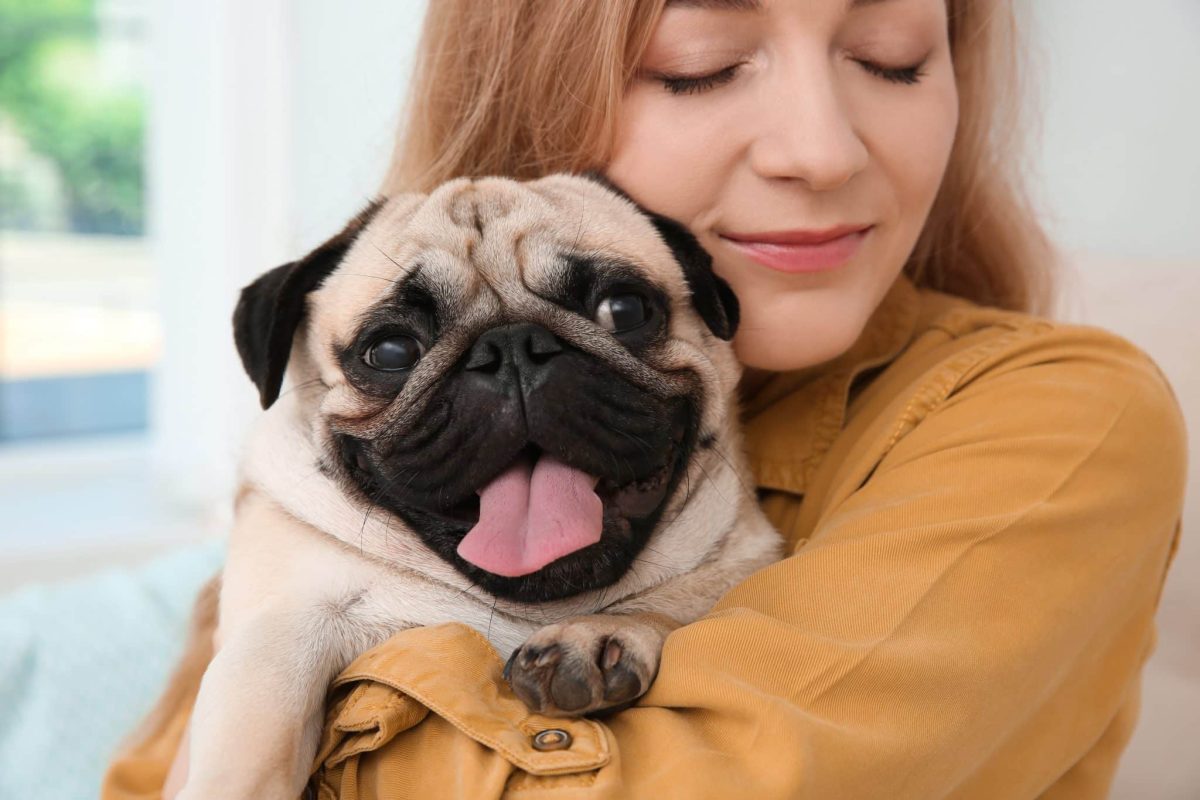
Pugs were developed as companion dogs, and many still behave as though their official occupation is staying as close to their humans as physically possible throughout the day. Their playful personalities make them entertaining household companions, but beneath the comedy is usually a deeply affectionate dog that enjoys laps, cuddles, attention, and frequent participation in family routines. Because they are compact enough to fit comfortably beside or on their people, Pugs can pursue their snuggling ambitions with impressive efficiency whenever relaxation begins. Their brachycephalic anatomy requires careful attention to heat and exercise, but with responsible care, these charming companions can provide enormous affection from a conveniently cuddle-sized package.
French Bulldog
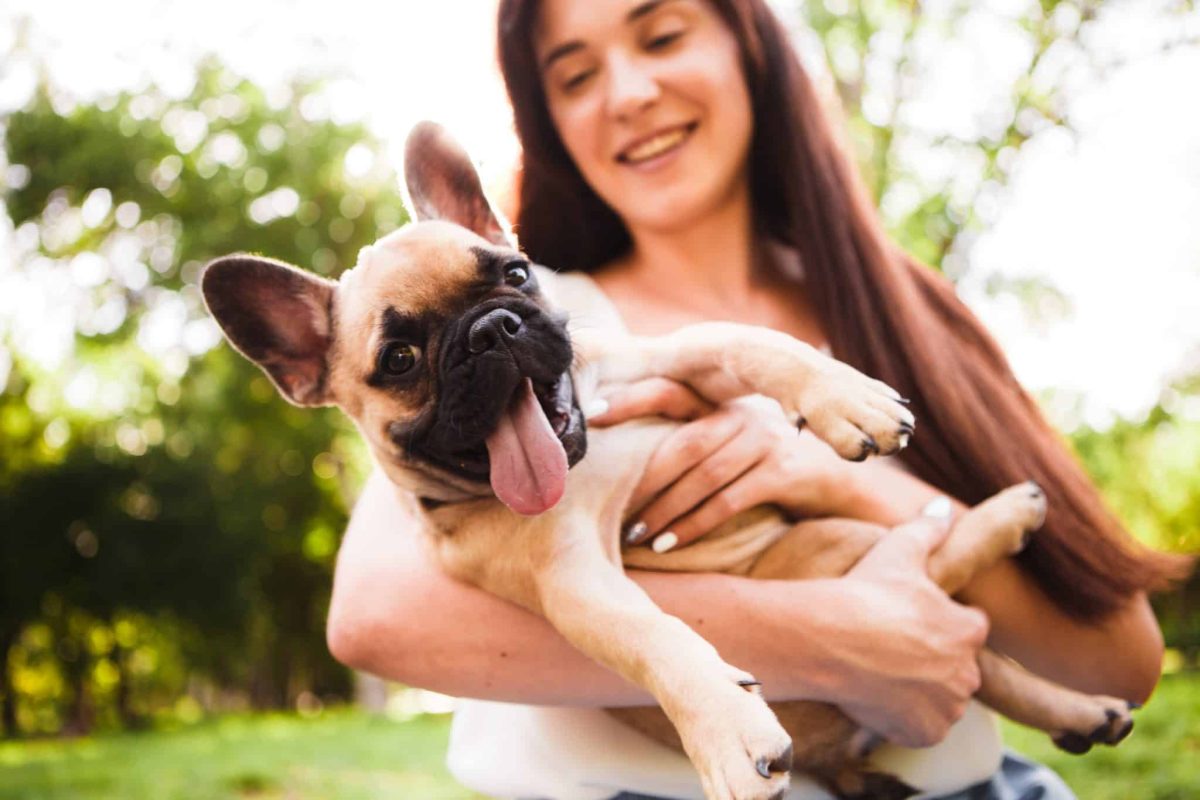
French Bulldogs are companion dogs at heart, and many seem happiest when they can remain close enough to monitor every interesting household development without sacrificing valuable cuddle time. Their compact size, playful character, and affectionate nature make them well suited to families seeking a dog that enjoys interaction but does not require endless high-intensity exercise. Many Frenchies happily settle beside their people, follow them between rooms, and transform ordinary relaxation into an opportunity for maximum physical closeness. Responsible owners must carefully manage heat, exercise, weight, and health concerns associated with their brachycephalic structure, but their devoted, warm personalities make them a deeply rewarding choice for anyone who welcomes a close companion that considers personal space entirely optional.